

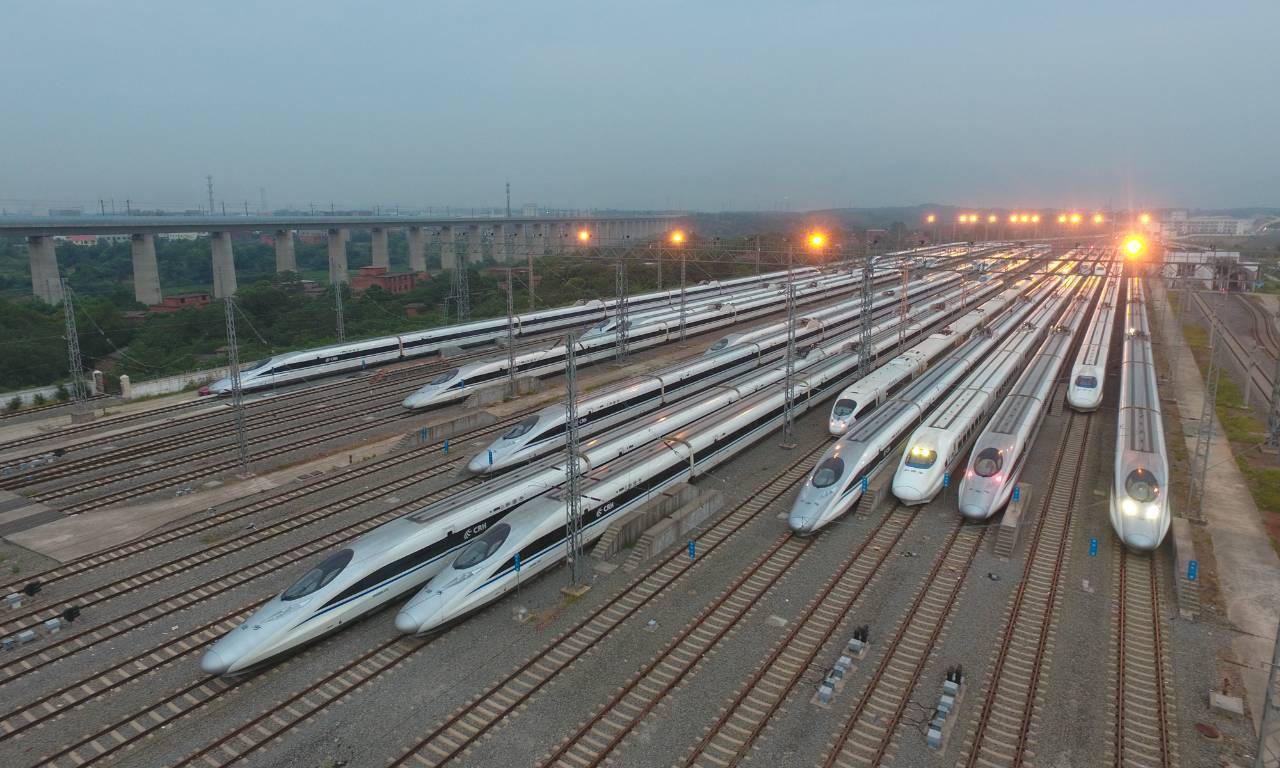
In the rail transit sector, facilities and equipment are facing increasingly severe corrosion challenges. The high salt spray environment in coastal areas, the strongly corrosive atmosphere in industrial zones, the erosion from de-icing salts in cold northern regions, and the persistently high humidity in tunnels — these harsh conditions continuously accelerate the aging process of infrastructure. Traditional protective coatings often struggle to cope with such complex conditions, exhibiting problems such as chalking and peeling within a short period, leading to substrate corrosion, seriously affecting the service life of facilities, and bringing significant maintenance costs and safety risks. This pain point has become a key factor restricting the sustainable development of rail transit.
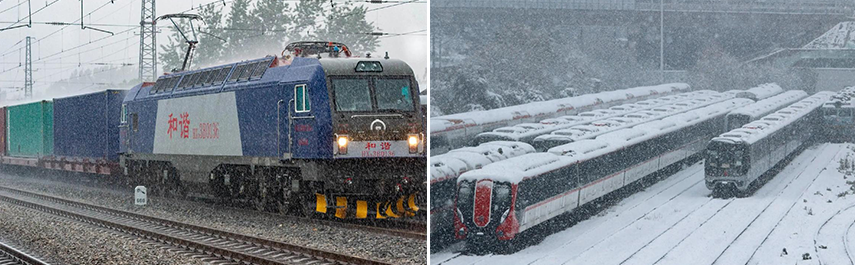
Facing this industry-wide challenge, waterborne PEA nano-sealing coating offers an innovative solution with its revolutionary technical advantages. Through unique nano-technology, this coating forms an extremely dense protective layer on the substrate surface, effectively blocking the penetration of corrosive media such as moisture and chloride ions. Its excellent adhesion ensures that the coating remains intact under long-term vibration conditions, its superior impact resistance withstands various mechanical shocks, and its outstanding thermal cycling resistance prevents cracking under drastic temperature fluctuations. These characteristics enable it to effectively address the various corrosion threats faced by the rail transit sector, providing durable and reliable protection for facilities and equipment.
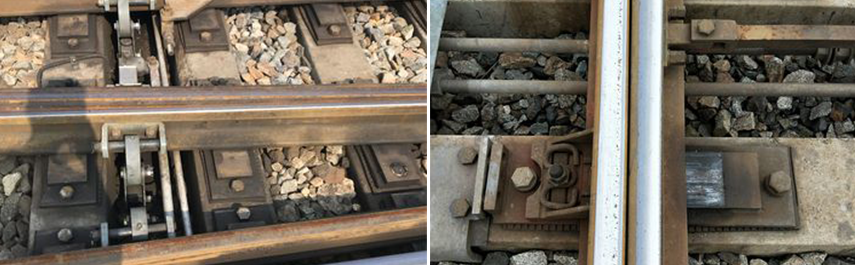
In terms of track structure protection, this coating demonstrates significant application value. Key structures such as track beams and turnouts are long-term exposed to extreme operating environments, having to withstand not only the continuous dynamic load impact from train operations but also the attack of chemical media such as de-icing salts and lubricating greases. The protective layer formed by waterborne PEA nano-sealing coating on these critical areas effectively resists the erosion of various corrosive factors, significantly extending the service life of the structures. Especially in northern regions where de-icing salts are frequently used, the coating's salt corrosion resistance provides a reliable protective barrier for track structures.
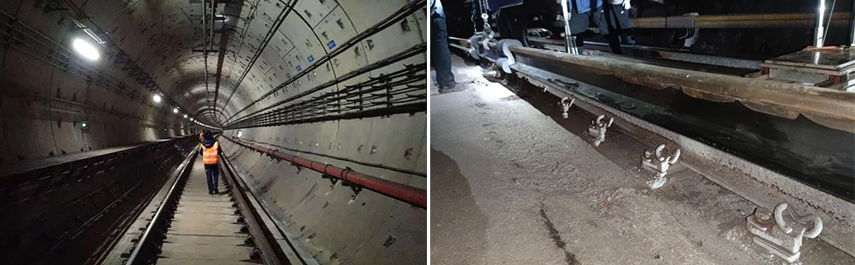
In terms of protection for wayside facilities, this coating also performs excellently. Key equipment such as catenary brackets, signaling systems, and substations are widely distributed and operate in complex environments, where traditional protective measures often fail to provide full coverage. Waterborne PEA nano-sealing coating, with its excellent application properties, provides comprehensive protection for this equipment. Under various operating conditions — including the high-humidity environment inside tunnels, the corrosive atmosphere in industrial zones, and the high salt spray conditions in coastal areas — the coating maintains stable protective performance, ensuring that power supply systems and signaling equipment operate reliably under diverse extreme environments.
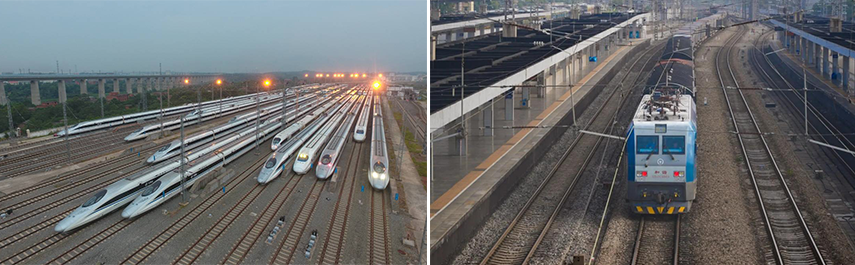
As rail transit networks continue to expand and operating environments become increasingly complex, higher demands are being placed on facility protection. With its outstanding comprehensive performance, waterborne PEA nano-sealing coating not only significantly extends the service life of facilities and reduces life-cycle maintenance costs, but more importantly, provides reliable assurance for the safe and stable operation of rail transit systems. This innovative protection solution is becoming an important technical support for addressing the corrosion challenges of harsh environments in the rail transit sector, contributing significantly to the construction of a safer and more reliable modern rail transit system.