
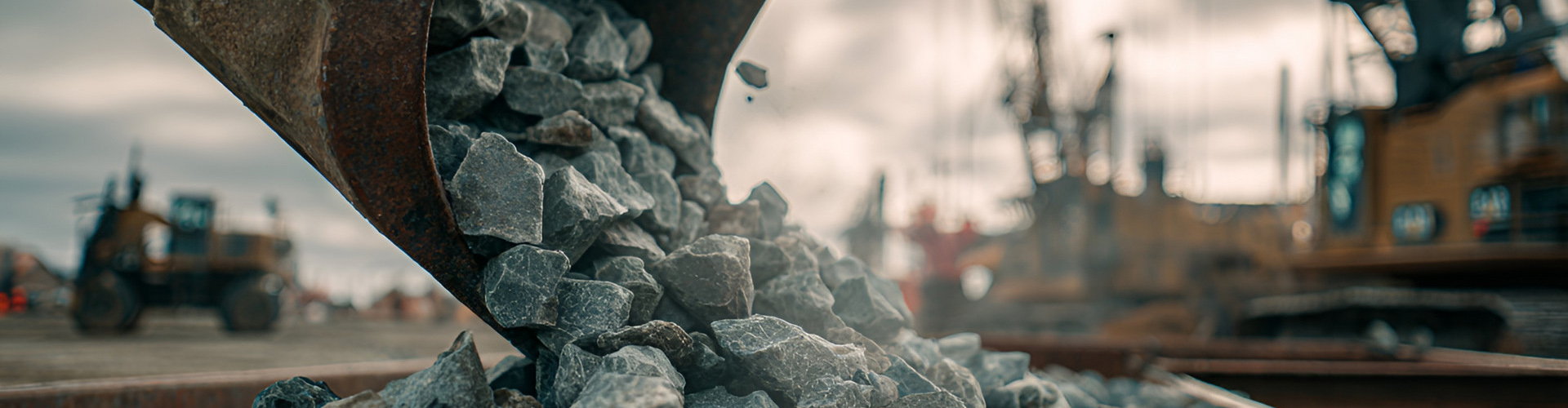

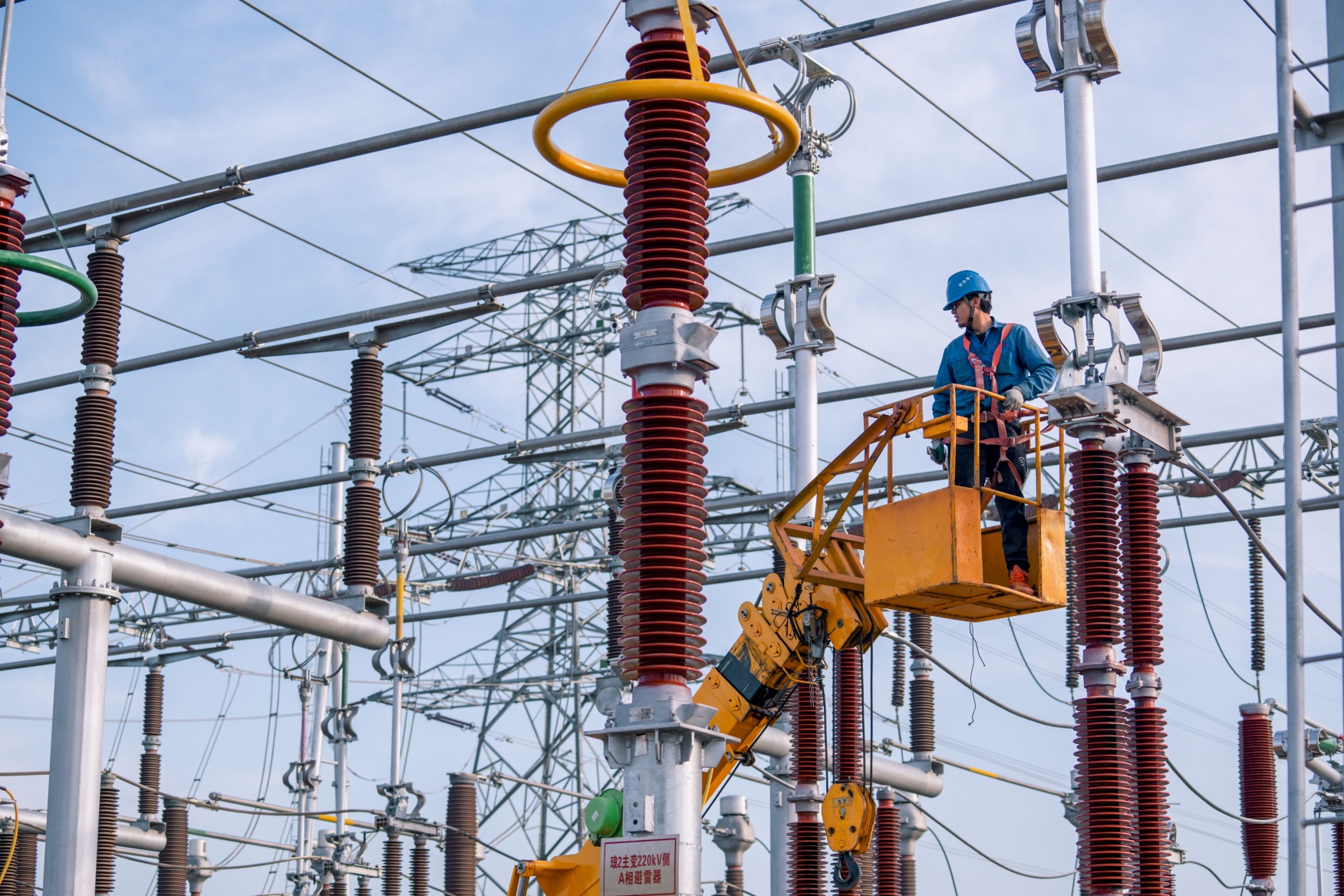
In the energy and power sectors, the durability of various types of infrastructure is directly linked to energy security and the stability of supply. From traditional thermal power generation to emerging renewable energy industries, equipment faces severe corrosion challenges. The flue gas condensation systems, desulphurisation units and heat exchanger piping in thermal power stations are subjected to prolonged exposure to acidic media and drastic temperature fluctuations; meanwhile, critical equipment in nuclear power stations must maintain long-term stability under harsh operating conditions. These facilities place extremely high demands on protective coatings, which must not only withstand chemical corrosion but also demonstrate excellent resistance to temperature fluctuations. Water-based PEA nano-sealing coatings, with their exceptional protective properties, form a durable and stable protective layer on the surfaces of this critical equipment, effectively extending the service life of the equipment and ensuring the safe and stable operation of power generation systems.
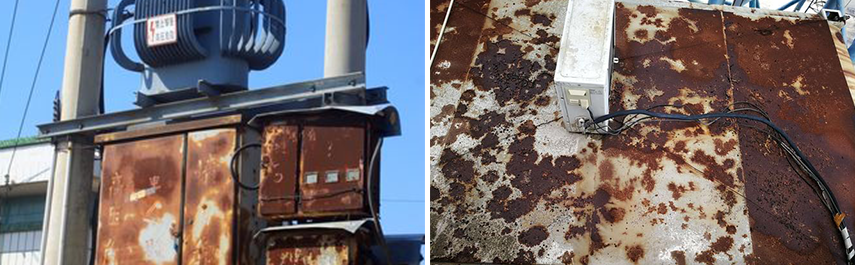
Infrastructure in the renewable energy sector faces unique corrosion threats. The inner and outer walls of wind turbine towers, the blade roots and the steel structures of offshore platforms are constantly exposed to marine atmospheres characterised by high levels of salt spray and humidity; meanwhile, photovoltaic mounting structures and connectors must withstand prolonged exposure to ultraviolet radiation and atmospheric corrosion. As these renewable energy facilities are often located in remote areas or at sea, maintenance is difficult and costly, placing even higher demands on the durability of protective coatings. The long-lasting salt-fog and weather resistance provided by water-based PEA nano-sealing coatings ensures the long-term, reliable operation of clean energy facilities in harsh environments, significantly reducing maintenance costs over their entire lifecycle.
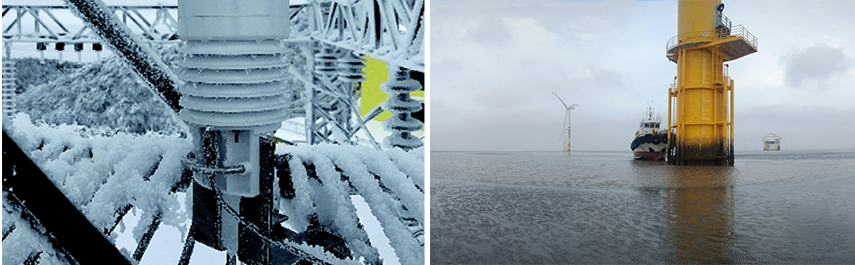
In the power transmission and distribution sector, facilities such as steel structures at substations, transmission pylons and bus ducts, which are located across the country, must withstand the challenges posed by varying regional climatic conditions. Equipment in humid and rainy regions faces erosion from persistently damp environments, whilst facilities in industrial zones must withstand corrosion from atmospheric pollutants; power transmission networks in coastal areas, moreover, are subjected to prolonged exposure to salt spray. Water-based PEA nano-sealing coatings provide an effective protective barrier for these power facilities; their excellent adhesion also resists physical damage such as wind and sand, ensuring long-lasting protection in complex environments and safeguarding the safe and stable operation of the power grid system.
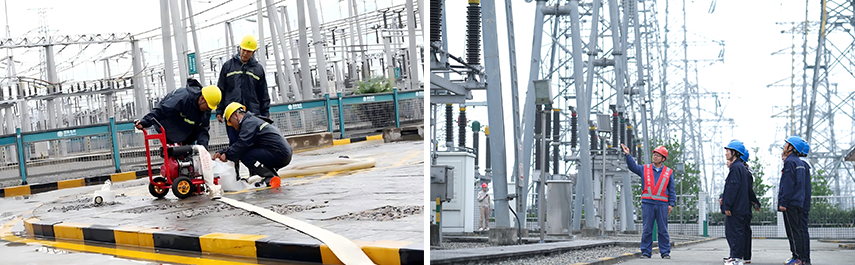
With the ongoing transformation of the energy mix and the continuous growth in electricity demand, energy and power facilities are facing increasingly challenging operating conditions and higher reliability requirements. With its outstanding comprehensive protective properties, water-based PEA nano-sealing coating not only significantly reduces maintenance costs for energy and power facilities, but also provides a solid foundation for the sustainable development of the energy sector by extending equipment service life and enhancing operational reliability. This innovative protective solution is emerging as a vital technical pillar for ensuring energy supply security and driving the development of green energy, and is set to play an increasingly significant role in the construction of future energy systems.