
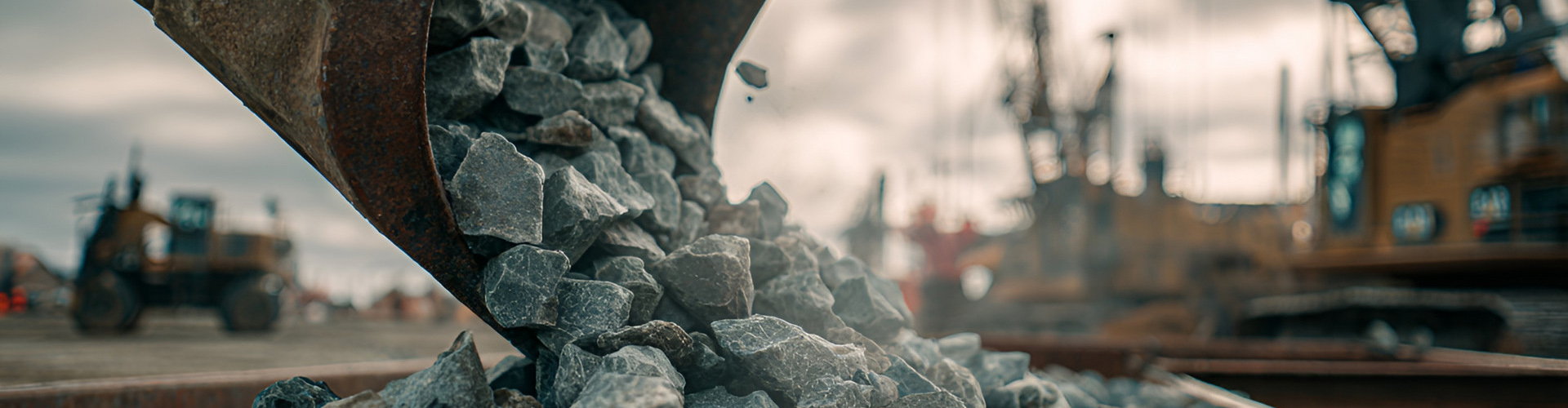

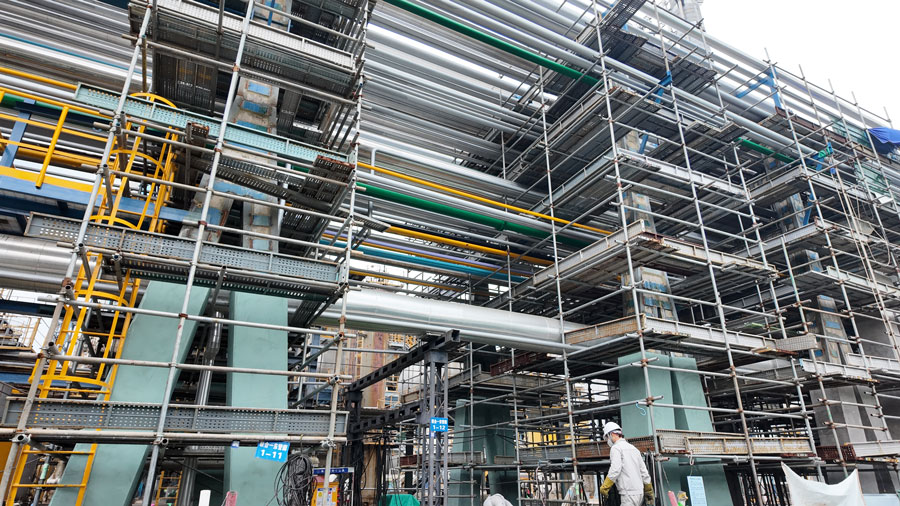
1. Production, storage, transport and processing facilities in the oil and gas industry are subjected to extreme and complex operating conditions over the long term. Offshore oil and gas platforms are constantly exposed to high levels of salt spray, high humidity and the impact of wind and waves, whilst concrete structures at refineries and natural gas processing plants are subjected to high temperatures, high pressure, acidic and alkaline chemical media, as well as periodic thermal expansion and contraction. Pipe racks, storage tank foundations, compressor stations and gas pipeline support piers must not only bear enormous mechanical loads, but also withstand structural damage caused by corrosion, carbonation and physical impact.
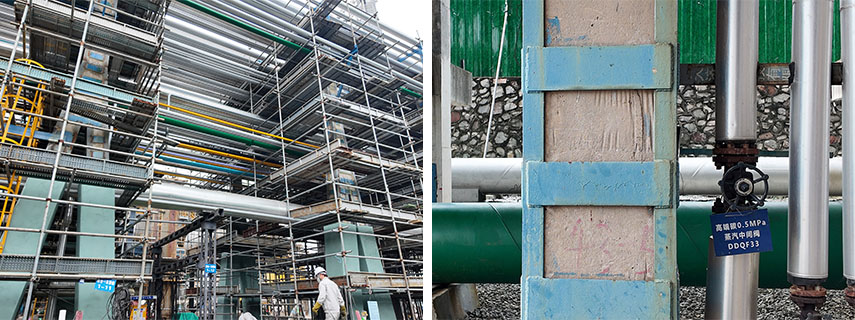
II. In these scenarios, concrete structures face three main types of threats:
1. Chemical corrosion — Corrosive agents such as hydrogen sulphide, carbon dioxide and chloride ions, which are present in crude oil, refined petroleum products and natural gas, penetrate the concrete and react with its alkaline components, leading to a drop in pH, the destruction of the passivation film on the reinforcing steel, and accelerated corrosion of the steel.
2. Physical wear and impact — Mechanical impacts caused by pipeline vibrations and equipment operation, as well as load impacts from transport vehicles, lead to the continuous propagation of micro-cracks in the concrete.
3. Environmental cycling damage — Environmental factors such as high temperatures and humidity, diurnal temperature variations, and freeze-thaw cycles cause concrete structures to repeatedly contract and expand, accelerating crack propagation and surface spalling.

Ⅲ. Traditional concrete repair solutions typically employ physical or adhesive materials, the effects of which are limited to sealing capillaries on the surface. These materials struggle to achieve a chemical bond with the substrate, often resulting in a service life of only 1–3 years. Furthermore, they are prone to secondary cracking and spalling, leading to frequent maintenance and high costs.
IV. The reaction-crosslinked water-based nano-concrete repair agent, independently developed by Keeper Materials, offers a revolutionary solution for the oil and gas infrastructure sector:1. Deep Penetration — The branched silicate nanopolymers in the material can penetrate 2–5 millimetres into the concrete, reacting with Ca²⁺ ions to form a stable, dense C-S-H mineral framework in situ, thereby sealing off CO₂ and H₂O pathways at their source.
2. Long-term protection — The resulting organic–inorganic hybrid chelation layer combines high compressive strength with chemical corrosion resistance, providing long-term defence against acid, alkali and salt erosion as well as high-temperature and high-humidity environments, with a service life exceeding 20 years.
3. Structural Reinforcement — Following repair, the compressive strength of the substrate can be increased from 0.22 MPa to 2.55 MPa, representing a 1050% improvement, significantly enhancing the structure’s load-bearing capacity and impact resistance.
4. Environmentally Friendly and Safe — A water-based, low-VOC formulation free from heavy metals such as lead and chromium, compliant with environmental standards and safety regulations in the oil and gas industry.
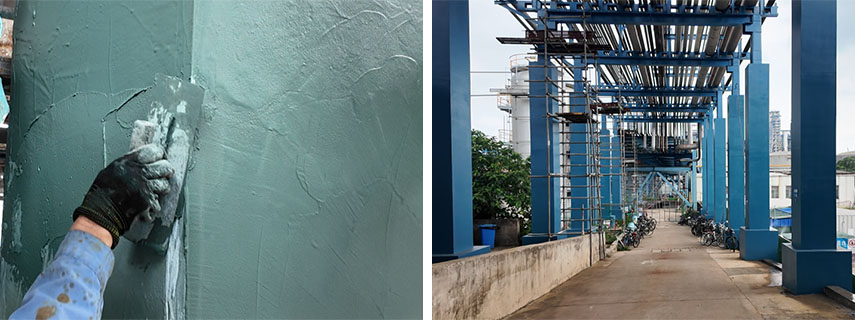
Numerous project case studies demonstrate that, following the implementation of Keeper material solutions, facility maintenance intervals have been significantly extended from the previous 3–5 years to over 15–20 years, with overall maintenance costs reduced by more than 40%. At the same time, this has minimised the risk of production downtime caused by maintenance, thereby providing a solid foundation for safe operations and sustainable development within the oil and gas industry.