


On the vast ocean, the combat effectiveness of naval vessels and high-performance ships begins with the hull that remains submerged year-round. This is the primary battlefield against marine microorganisms. Any attachment of tiny barnacles, algae, or shellfish is not merely a cosmetic issue — it directly erodes the vessel’s core performance. Traditional antifouling methods often fall short, whereas the shark skin‑inspired hull coating, with its revolutionary physical antifouling mechanism, builds a robust and durable defense line for naval equipment.
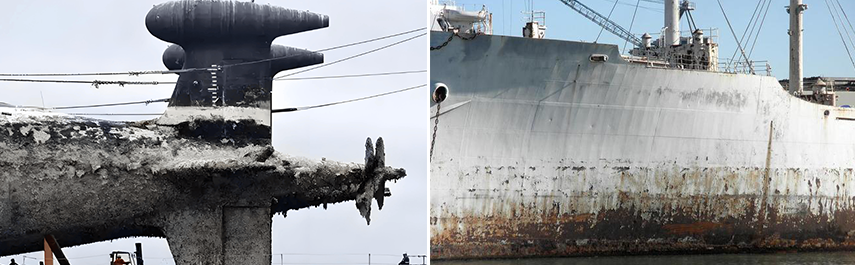
The mission of naval vessels dictates their extreme pursuit of reliability and operational availability. Long-term overseas deployments and cross‑sea maneuvers require vessels to maintain optimal hull condition whether in tropical ports or temperate waters. Once biofouling occurs, it becomes a heavy yoke on the vessel—the resulting drag mercilessly consumes fuel efficiency, slows speed, and also interferes with sensitive hull sensor systems. Conventional chemical antifouling paints may fail in complex water conditions and during prolonged idle berthing, while frequent dry‑dock cleaning means the loss of precious combat readiness time and enormous maintenance costs.

The excellence of the shark skin‑inspired coating lies in its fundamental reversal of the antifouling logic. Instead of relying on the slow release of toxic agents, it employs a meticulously designed micro‑/nano‑scale secondary structure on its surface to create a physical barrier that prevents marine organisms from firmly attaching. When larval organisms attempt to settle on this surface, the tiny ridge‑like structures effectively reduce the contact area. Moreover, under the action of water flow — even at very low speeds — sufficient shear force is generated to easily detach any adhering organisms. This active self‑cleaning capability ensures that the hull remains in an ideal smooth state, both in appearance and function, over long periods of service.
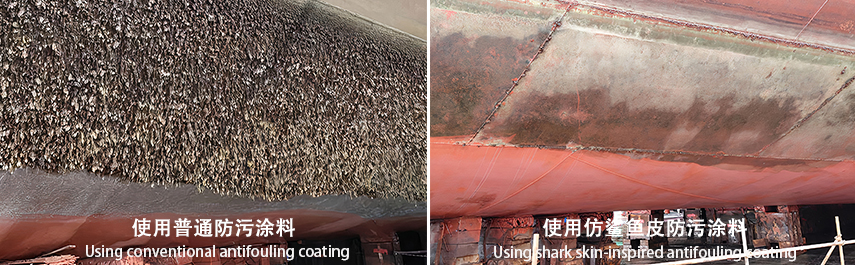
The value brought by physical smoothness is multifaceted and profound. The most direct benefit is the restoration and maintenance of kinetic superiority — a clean hull means lower drag, which directly translates into higher top speed, more agile acceleration, and significant fuel savings, allowing the vessel to retain ample maneuverability during rapid deployment, long‑range strikes, and other missions. More importantly, it greatly safeguards the strategic operational availability of the vessel. An effective antifouling life of over five years is sufficient to cover a major overseas deployment or training cycle, freeing the vessel from biofouling concerns without needing to interrupt its mission and return to port — thereby ensuring sustained strategic deterrence and rapid response capability.
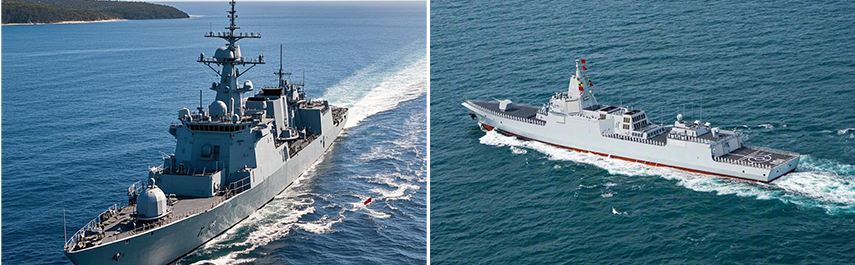
Shark skin‑inspired hull antifouling coating is far more than an ordinary protective coating; it is a key technology that ensures naval vessels and high‑performance ships maintain peak operational status throughout their long service lives. By providing a long‑lasting, reliable antifouling solution that does not rely on biocides, it fundamentally strengthens the fleet's combat readiness and operational effectiveness, offering indispensable technical support for the defense of the blue waters.