

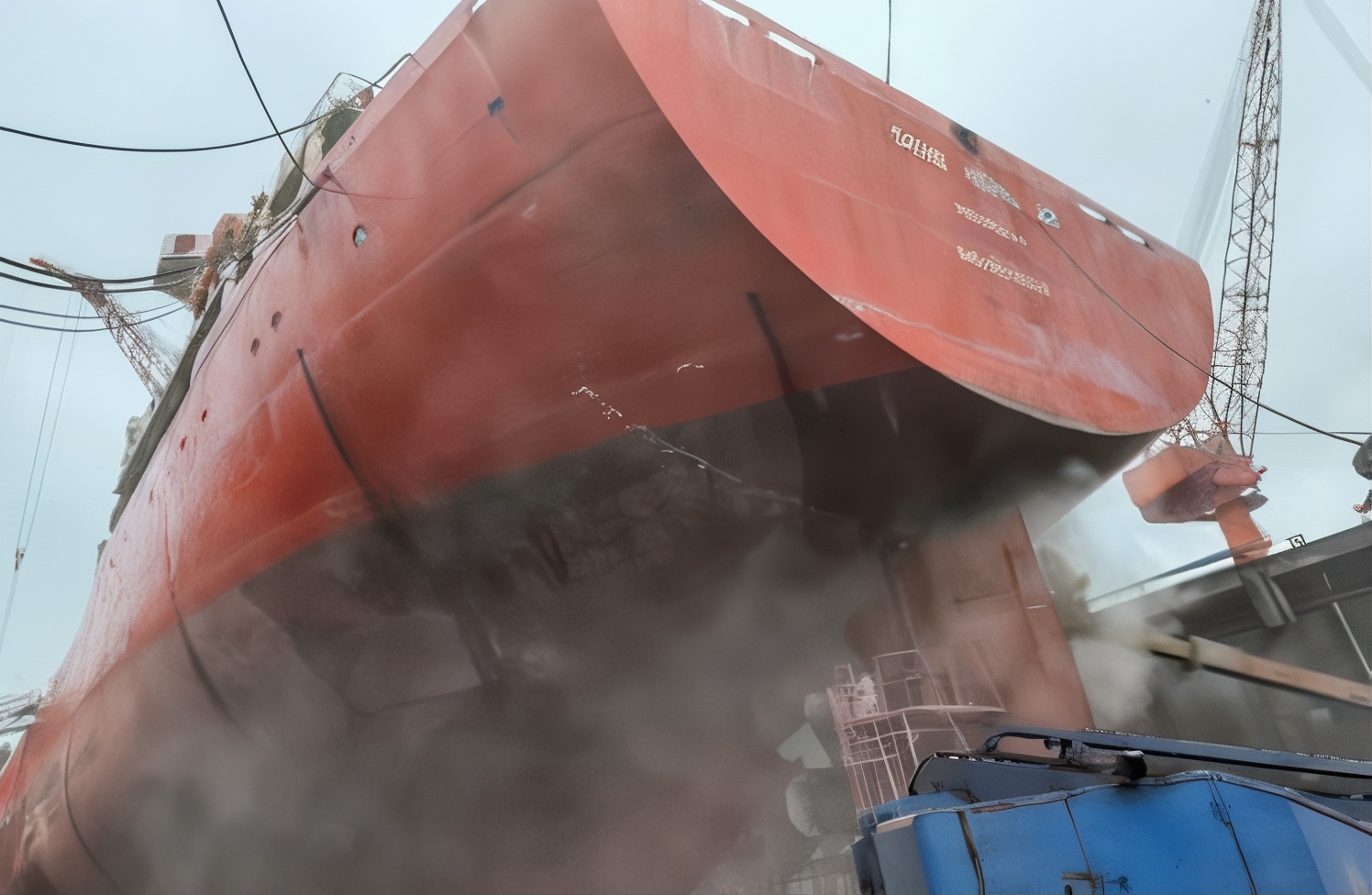
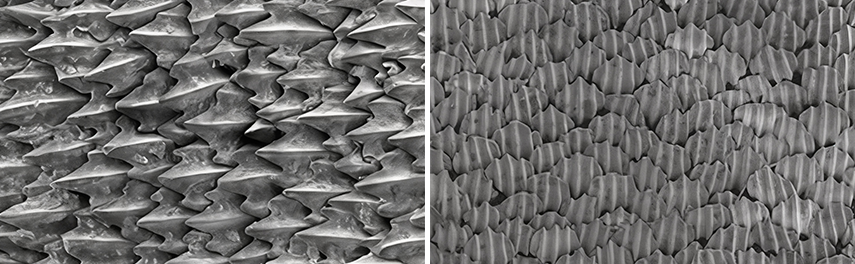
On the “Dingheng 28”, an ocean‑going chemical tanker with a deadweight tonnage of 19,000 tonnes, we carried out a forward‑looking practice: during its recent major refit and renovation, the entire hull bottom protection was replaced with a new generation of shark skin‑inspired antifouling coating based on biomimetic principles. The development of this coating was directly inspired by the skin structure of the fastest‑swimming shark in the ocean. Instead of releasing traditional chemical toxins to “poison” marine organisms, it innovatively constructs a precisely arranged, invisible nano‑scale micro‑riblet biomimetic structure on the coating surface. This structure creates a specific physical interfacial effect when water flows over it, greatly interfering with and preventing the attachment and settlement of the larvae of algae, barnacles, shellfish and other fouling organisms, thereby cutting off the life cycle of fouling organisms at its physical root. As a result, a more fundamental and clean “zero‑toxin” antifouling mechanism is achieved.
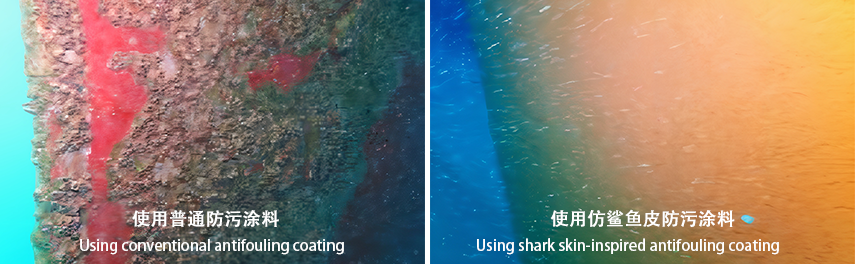
To rigorously evaluate its long‑term performance in real‑world, complex marine environments, we conducted continuous monitoring and systematic field testing on the vessel for a period of eight months. During this time, the “Dingheng 28” was exposed to various sea areas ranging from temperate to tropical zones, with diverse salinities and water temperatures. The final test data and hull inspection results far exceeded expectations: the submerged part of the hull remained remarkably smooth and clean, in stark contrast to the noticeable slimy feel and patchy bio‑attachment observed on conventional coatings after the same period. Its physical antifouling mechanism proved to be highly effective and stable. This outstanding performance directly confirms the coating’s designed ultra‑long antifouling lifespan of more than five years—far exceeding that of traditional chemical antifouling coatings (which typically last only 1–2 years)—promising longer maintenance intervals and significant lifecycle cost benefits for shipowners.
More importantly, the benefits brought by this application go beyond antifouling itself. The ultra‑low surface energy and highly streamlined characteristics of this coating effectively reduce hydrodynamic frictional drag during vessel navigation. According to preliminary energy efficiency data analysis, this drag reduction directly translates into substantial fuel savings and potential speed gains, offering shipowners a direct path to cost reduction and efficiency improvement amid fierce market competition and rising operational costs. At the same time, its absolute eco‑friendliness—leaching no heavy metals or chemical biocides whatsoever—enables the “Dingheng 28” to achieve “zero‑toxic” discharge into the marine environment during its voyages. This not only perfectly aligns with the global shipping industry’s urgent demand for green and sustainable development, but also helps shipowners proactively avoid compliance risks posed by increasingly stringent international environmental regulations (such as the EU’s BPR, etc.).
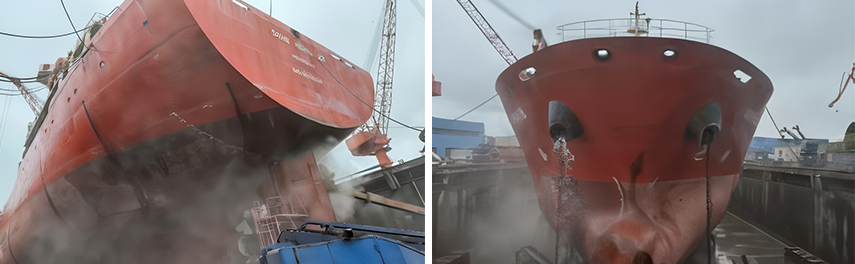
In summary, the successful application on the ocean‑going chemical tanker “Dingheng 28” conclusively demonstrates that shark skin‑inspired hull antifouling coating is by no means a mere substitute for traditional solutions—it represents a paradigm shift in technology. It seamlessly integrates highly effective, long‑lasting physical antifouling, tangible drag reduction and energy savings, consistent environmental friendliness, and the resulting low‑maintenance advantages into a unified, powerful solution. This provides modern vessels with a solid, reliable technical pillar and a promising practical blueprint for meeting future operational challenges while maximizing both environmental and economic benefits.